
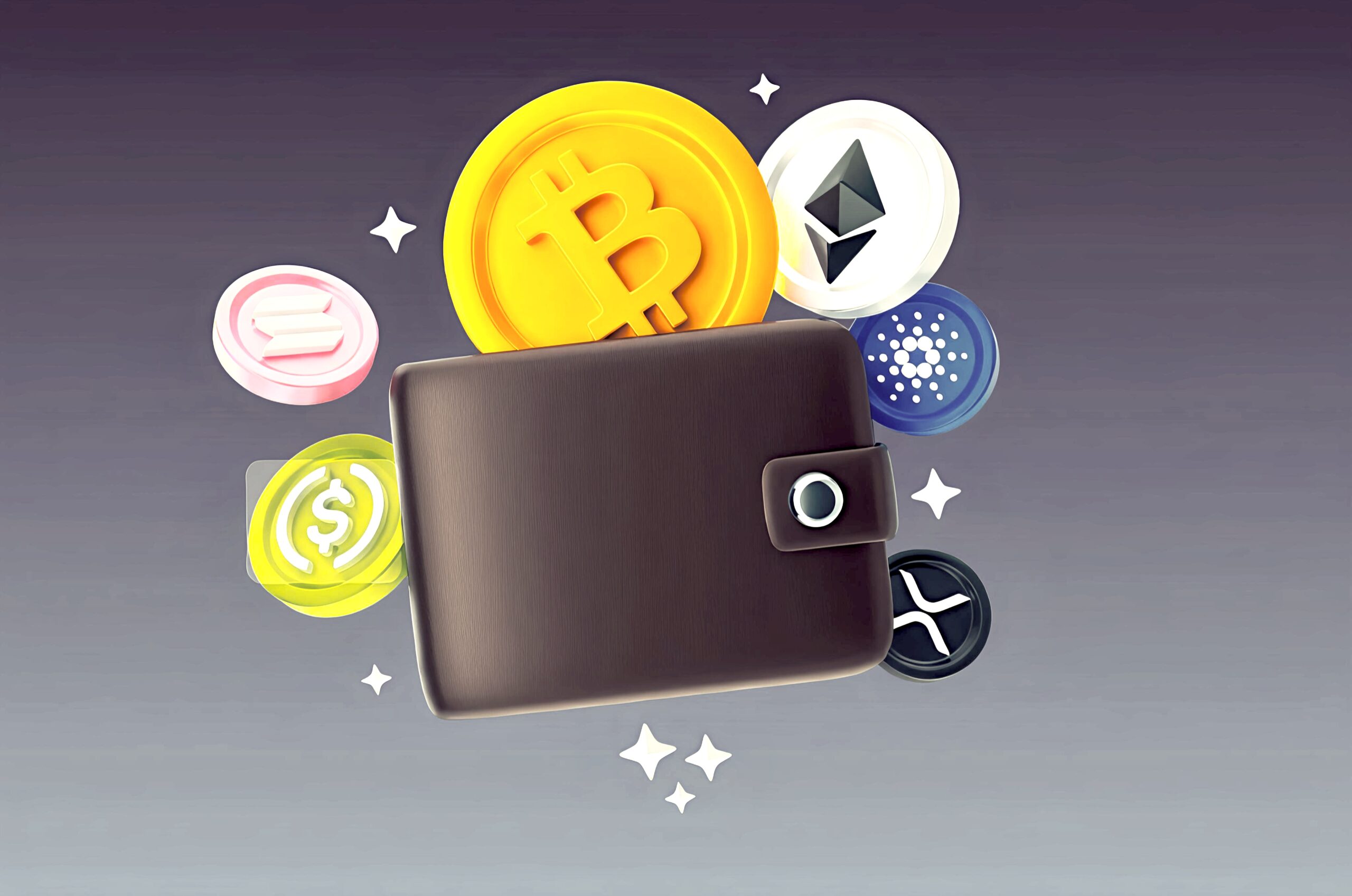
Cryptocurrency wallets are essential tools for managing digital assets like Bitcoin, Ethereum, and other altcoins. Unlike traditional wallets, they don’t store physical cash but rather secure private keys that allow users to access and transact with their crypto holdings.
With the rise of decentralized finance (DeFi) and NFTs, understanding how crypto wallets work is crucial for both beginners and experienced investors. In this guide, we’ll explore:
✴️ What is a cryptocurrency wallet?
✴️Types of crypto wallets (Hot vs. Cold Wallets)
✴️ How to choose the best wallet for your needs
✴️ Security risks and best practices
✴️ Future trends in crypto wallet technology
Let’s dive in!
What Is a Cryptocurrency Wallet?
A cryptocurrency wallet is a digital tool that stores public and private keys, enabling users to send, receive, and monitor their crypto assets. These wallets interact with blockchain networks to verify transactions securely.
Key Components of a Crypto Wallet:
- Public Key (Wallet Address) – Like a bank account number, used to receive funds.
- Private Key – A secret code that allows spending crypto (must be kept secure!).
- Seed Phrase (Recovery Phrase) – A 12-24 word backup to restore access if lost.
Types of Cryptocurrency Wallets
Crypto wallets come in different forms, each with unique security and usability features.
1. Hot Wallets (Connected to the Internet)
Hot wallets are convenient but more vulnerable to hacking.
a) Software Wallets (Desktop/Mobile)
- Pros: Easy to use, quick transactions.
- Cons: Prone to malware attacks.
- Examples: Exodus, Trust Wallet, Electrum.
b) Web Wallets (Browser-Based)
- Pros: Accessible from any device.
- Cons: Risk of phishing scams.
- Examples: MetaMask, MyEtherWallet (MEW).
c) Exchange Wallets (Custodial)
- Pros: Easy trading on platforms like Binance, Coinbase.
- Cons: Not your keys, not your crypto! (Risk of exchange hacks).
2. Cold Wallets (Offline Storage – Most Secure)
Cold wallets keep private keys offline, making them ideal for long-term storage.
a) Hardware Wallets
- Pros: Immune to online hacking.
- Cons: Cost involved (~$50-$200).
- Examples: Ledger Nano X, Trezor Model T.
b) Paper Wallets
- Pros: No digital footprint.
- Cons: Risk of physical damage/loss.
How to Choose the Best Crypto Wallet?
| Factor | Best Choice |
|---|---|
| Security | Hardware Wallet (Ledger/Trezor) |
| Convenience | Mobile Wallet (Trust Wallet) |
| Active Trading | Exchange Wallet (Binance) |
| Privacy | Non-Custodial Wallet (Wasabi) |
Key Considerations:
- Multi-Currency Support – Does it hold Bitcoin, Ethereum, and altcoins?
- User Control – Non-custodial wallets give full ownership.
- Backup Options – Always have a recovery phrase!
Security Risks & Best Practices
Common Crypto Wallet Threats:
🔴 Phishing Scams – Fake websites stealing private keys.
🔴 Malware Attacks – Keyloggers stealing wallet data.
🔴 SIM Swapping – Hackers taking over phone-based 2FA.
How to Protect Your Crypto?
✅ Use a Hardware Wallet for large holdings.
✅ Enable Two-Factor Authentication (2FA).
✅ Never Share Your Private Key or Seed Phrase.
✅ Beware of Fake Wallet Apps (Check official sources).
Future Trends in Crypto Wallets
1. Smart Contract Wallets (Account Abstraction)
- Wallets with programmable security rules (e.g., social recovery).
2. Biometric Security
- Fingerprint & facial recognition replacing passwords.
3. Cross-Chain Wallets
- Single wallets supporting multiple blockchains (e.g., Exodus).
4. Decentralized Identity (DID)
- Blockchain-based IDs replacing traditional logins.
Conclusion: Which Wallet Should You Use?
Choosing the right cryptocurrency wallet depends on your needs:
- Beginners: Start with Trust Wallet or MetaMask (easy to use).
- Traders: Use exchange wallets (Binance, Kraken) for quick trades.
- Long-Term Holders: Secure funds with a Ledger or Trezor.
Remember: “Not your keys, not your crypto!” Always prioritize security over convenience.
🚀 Ready to secure your crypto? Get a hardware wallet today!
One thought on “Cryptocurrency Wallets: A Complete Guide to Secure Digital Asset Storage”