
Introduction
As cryptocurrency adoption grows, so does the risk of cyber threats. Hackers and scammers are constantly looking for vulnerabilities to exploit, making crypto wallet security more critical than ever. Whether you’re a seasoned trader or a beginner, protecting your digital assets should be your top priority.
We’ll explore the best practices for securing your crypto wallet, common threats to avoid, and advanced security measures to keep your funds safe.
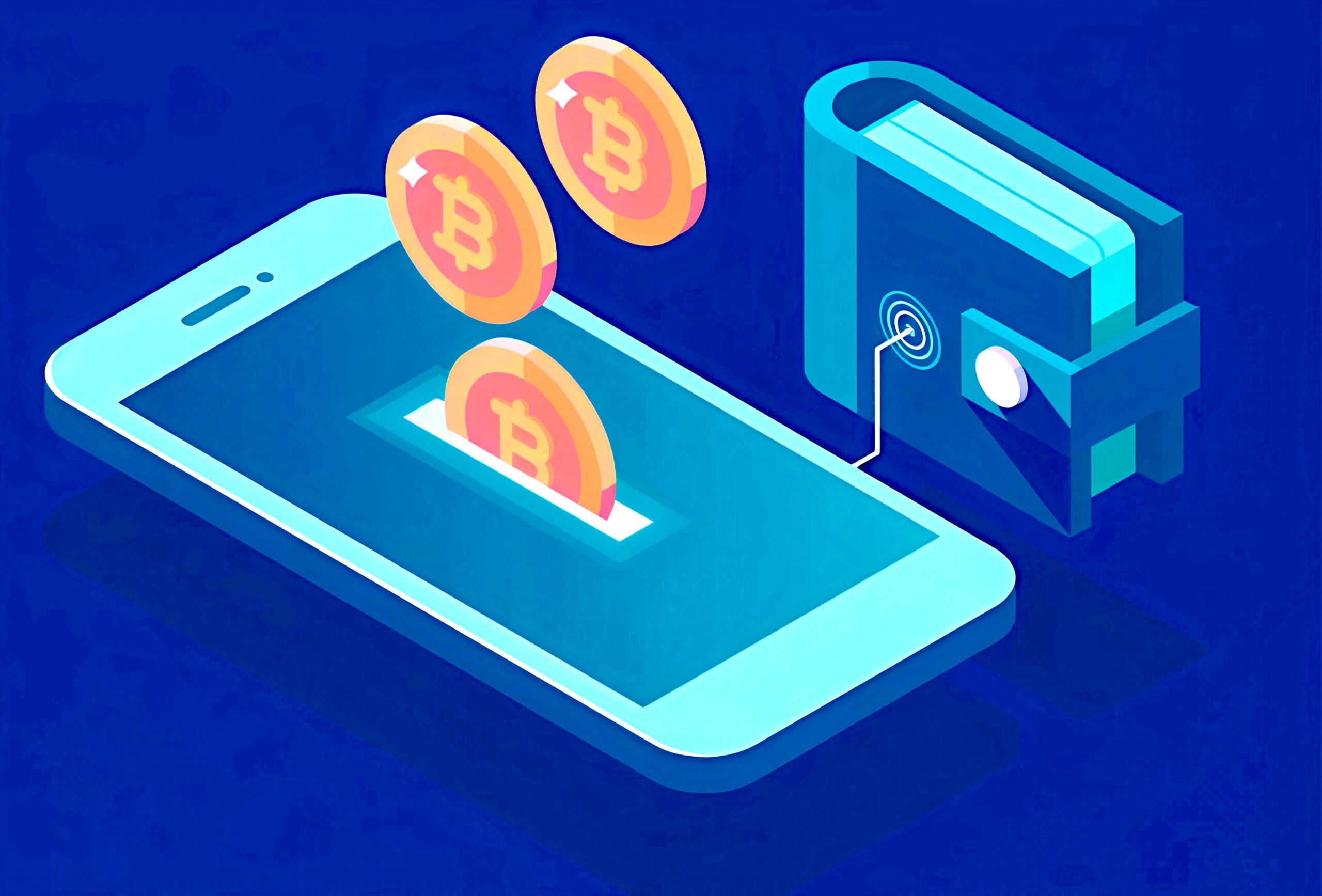
Why Crypto Wallet Security Matters
Cryptocurrencies operate on decentralized networks, meaning there’s no central authority to reverse fraudulent transactions. If your wallet is compromised, you could lose your funds permanently. Unlike traditional banks, crypto transactions are irreversible, making security a non-negotiable aspect of managing digital assets.
Types of Crypto Wallets
- Hot Wallets (Online Wallets) – Connected to the internet, convenient but vulnerable to hacking.
- Examples: MetaMask, Trust Wallet, Exchange Wallets (Binance, Coinbase).
- Cold Wallets (Offline Wallets) – Not connected to the internet, highly secure but less convenient.
- Examples: Ledger, Trezor, Paper Wallets.
- Custodial vs. Non-Custodial Wallets
- Custodial: A third party (like an exchange) controls your private keys.
- Non-Custodial: You fully control your private keys (more secure but riskier if mishandled).
Top Crypto Wallet Security Risks
1. Phishing Attacks
Scammers create fake websites or emails mimicking legitimate services to steal login credentials. Always verify URLs and enable two-factor authentication (2FA).
2. Malware & Keyloggers
Malicious software can record keystrokes or steal wallet files. Use antivirus software and avoid downloading suspicious files.
3. SIM Swapping
Hackers hijack phone numbers to bypass SMS-based 2FA. Use authenticator apps (Google Authenticator or Authy) instead.
4. Fake Wallet Apps
Fraudulent apps on app stores mimic real wallets. Only download wallets from official sources.
5. Human Error
Losing private keys or sending crypto to the wrong address can lead to irreversible losses. Always double-check transactions.
Best Practices for Securing Your Crypto Wallet
1. Use a Hardware Wallet for Large Holdings
Cold storage wallets like Ledger or Trezor keep private keys offline, making them nearly unhackable.
2. Enable Two-Factor Authentication (2FA)
Avoid SMS-based 2FA—use Google Authenticator or a hardware security key for better protection.
3. Backup Your Private Keys & Seed Phrases
Store them securely offline (never digitally). Use a metal backup solution to protect against fire/water damage.
4. Keep Software Updated
Regularly update your wallet software, OS, and antivirus to patch vulnerabilities.
5. Use Strong, Unique Passwords
Avoid reusing passwords. A password manager like Bitwarden or KeePass can help.
6. Be Wary of Public Wi-Fi
Avoid accessing your wallet on unsecured networks. Use a VPN if necessary.
7. Verify Transactions Before Confirming
Check wallet addresses carefully—malware can alter copied addresses.
8. Limit Exposure of Public Keys
While public keys are safe to share, excessive exposure can lead to targeted attacks.
Advanced Security Measures
Multi-Signature Wallets (Multisig)
Requires multiple approvals for transactions, adding an extra layer of security.
Whitelisting Addresses
Some wallets allow you to whitelist trusted addresses, preventing transfers to unknown wallets.
Decoy Wallets
Keep a small amount in a hot wallet to divert hackers while storing the bulk in cold storage.
What to Do If Your Wallet Is Compromised
- Move Remaining Funds Immediately – Transfer to a new secure wallet.
- Revoke Suspicious Permissions – Use tools like Etherscan’s Token Approvals checker.
- Report the Incident – Notify the platform (if applicable) and authorities.
- Learn from the Experience – Identify the breach and strengthen security.
Conclusion
Crypto wallet security is not optional—it’s essential. By following best practices like using cold storage, enabling 2FA, and staying vigilant against scams, you can significantly reduce risks. Remember: in the crypto world, you are your own bank. Stay informed, stay secure, and protect your investments.
FAQs
Q: Are hardware wallets 100% secure?
A: While highly secure, they can still be compromised if the seed phrase is exposed.
Q: Can I recover lost crypto if my wallet is hacked?
A: No, most blockchain transactions are irreversible. Prevention is key.
Q: Is it safe to store crypto on exchanges?
A: Only for short-term trading. Long-term holdings should be in cold storage.
By implementing these security measures, you can confidently navigate the crypto space while keeping your assets safe. Stay proactive, and happy investing!