
Discover everything about angioplasty in 2025 – how the procedure works, benefits, risks, latest advancements like AI-guided imaging and biodegradable stents, plus FAQs.
What is Angioplasty?
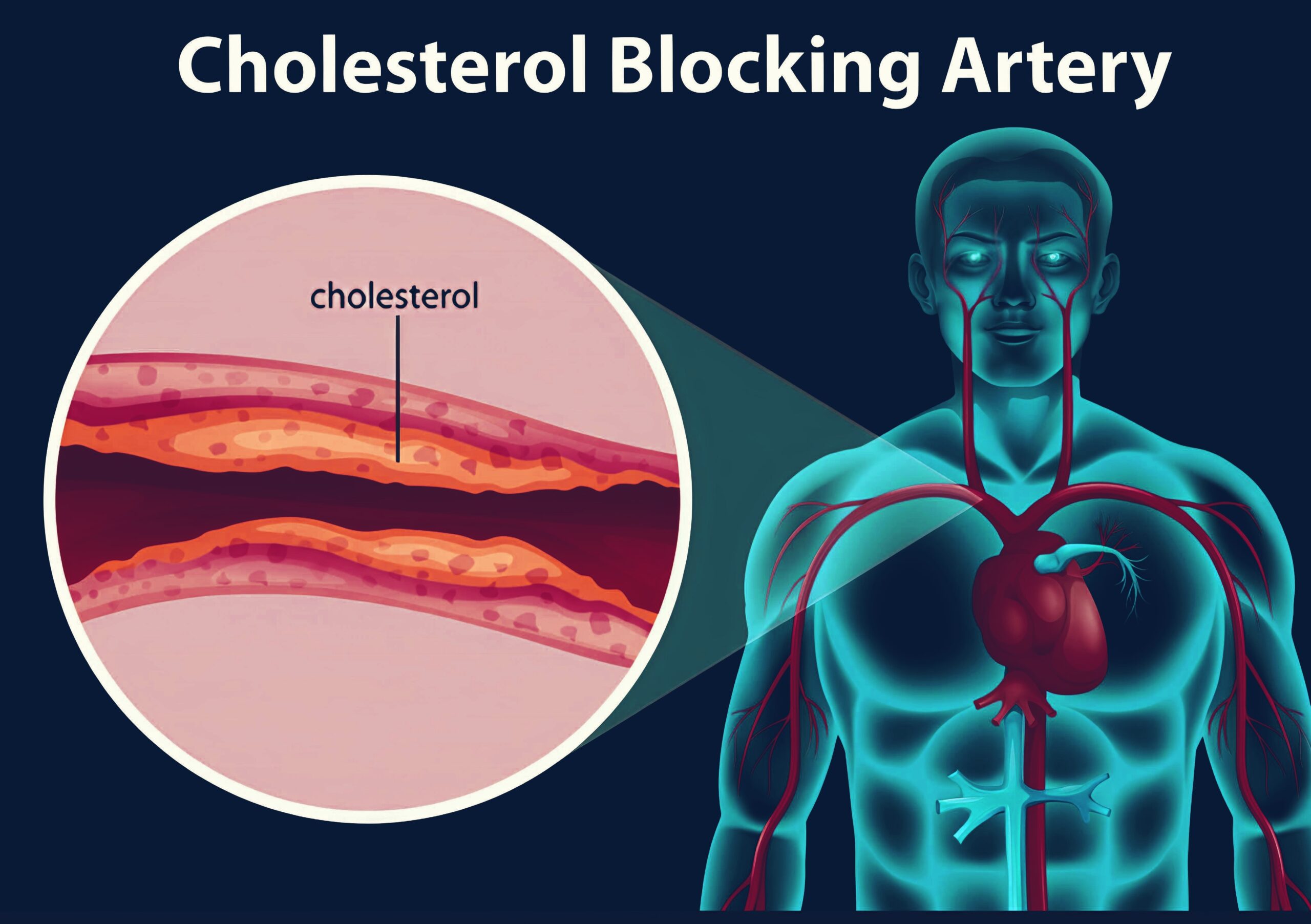
Angioplasty is a minimally invasive procedure used to open narrowed or blocked arteries caused by plaque buildup (atherosclerosis). By restoring blood flow, 8 prevents chest pain, shortness of breath, and reduces the risk of heart attacks.
👉 In most cases, doctors place a stent (a small wire mesh tube) during angioplasty to keep the artery open. This simple procedure has transformed heart care worldwide.
Why Angioplasty Matters in 2025
Heart disease is still the leading cause of death worldwide, with nearly 18 million deaths every year. Angioplasty remains one of the fastest, safest, and most effective treatments for blocked arteries. Compared to open-heart surgery, it ensures:
- Less recovery time
- Lower risks
- Better quality of life
🔑 5 Key Points About Angioplasty
1. Minimally Invasive
A thin catheter is inserted through the wrist or groin—no need for open-heart surgery.
2. Stent Placement
Drug-eluting stents (DES) slowly release medicine, preventing re-blockages. New bio-absorbable stents are also available.
3. Quick Recovery
Most patients resume daily activities in a week. Lifestyle changes are essential for long-term health.
4. Lower Risks, Higher Safety
Complications exist, but modern technology has made angioplasty safer than ever.
5. Prevention Still Matters
Angioplasty fixes blockages but does not cure heart disease. Preventive care—diet, exercise, and checkups—remains vital.
Latest Updates in Angioplasty (2025)
Medical innovation is shaping the future of heart treatments:
- AI-Guided Imaging: Gives cardiologists real-time precision during the procedure.
- Drug-Coated Balloons (DCB): Deliver medicine directly, sometimes replacing stents.
- Laser Angioplasty: Vaporizes plaque for safer results in complex cases.
- Biodegradable Stents: Dissolve naturally after a few years.
- Robotic Angioplasty: Enhances accuracy and reduces risks.
Who Needs Angioplasty?
Doctors may recommend angioplasty for patients with:
- Severe chest pain (angina)
- Blocked or narrowed coronary arteries
- Heart attack due to blocked blood supply
- Reduced blood flow despite lifestyle changes and medicines
❓ FAQs on Angioplasty
Q1: Is angioplasty painful?
No. Patients are under local anesthesia and feel minimal discomfort.
Q2: How long does angioplasty take?
Usually 30 minutes to 2 hours, depending on blockage complexity.
Q3: Can stents last forever?
Drug-eluting stents last many years, but lifestyle changes are essential.
Q4: What is the cost of angioplasty in 2025?
In India, the average cost ranges from ₹1.5 – ₹3 lakhs, depending on hospital and stent type.
Q5: Does angioplasty cure heart disease?
No. It improves blood flow but does not eliminate the root cause. Preventive care is still key.
Final Thoughts
Angioplasty has revolutionized cardiac care by offering patients a safer, faster, and more effective way to restore blood flow. In 2025, with AI imaging, biodegradable stents, and robotic precision, angioplasty continues to save lives globally.
👉 If you or a loved one is considering angioplasty, consult a qualified cardiologist, learn about the latest options, and make lifestyle changes that support long-term heart health.