

Introduction
Heart disease continues to be one of the leading causes of death worldwide. While angioplasty and bypass surgery are common treatments for blocked arteries, not all patients are suitable candidates. In such cases, EECP (Enhanced External Counterpulsation) has emerged as a non-invasive, FDA-approved therapy that offers relief from angina (chest pain) and improves overall heart health.
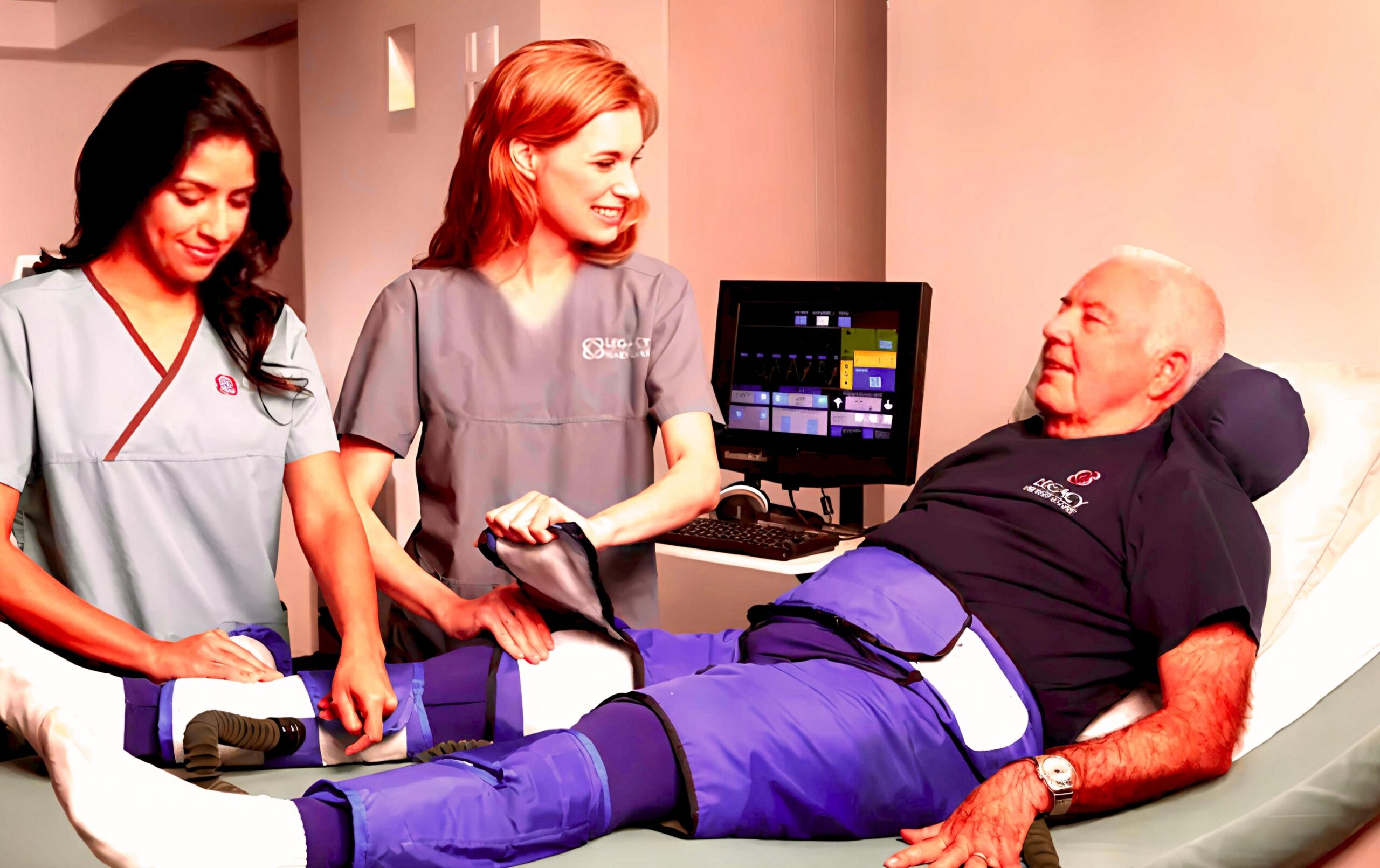
We explores what EECP is, how the treatment works, who can benefit from it, and why it is considered a valuable alternative in 2025.
What is EECP?
Enhanced External Counterpulsation (EECP) is a non-surgical treatment designed for patients with coronary artery disease (CAD) and chronic stable angina who are not responding well to medications or are not eligible for invasive procedures.
The therapy involves wearing inflatable cuffs around the legs, which rhythmically compress and release in sync with the heartbeat. This action increases blood flow back to the heart, encouraging the development of new blood vessels (collateral circulation) and improving oxygen supply to heart muscles.
EECP is approved by the U.S. FDA and recognized by leading cardiology associations worldwide as a safe therapy for patients with refractory angina.
How Does EECP Work?
The treatment works on the principle of counterpulsation—helping the heart during its relaxation phase (diastole):
- Inflatable Cuffs: Large cuffs are wrapped around the patient’s calves, thighs, and buttocks.
- Rhythmic Inflation: These cuffs inflate sequentially from the lower legs upward during the diastolic phase of the heartbeat.
- Increased Blood Flow: This inflation pushes oxygen-rich blood back to the coronary arteries, improving circulation.
- Rapid Deflation: Just before the heart contracts (systole), the cuffs quickly deflate, reducing the workload on the heart and lowering resistance.
Over time, this process stimulates collateral circulation, creating natural bypasses in blocked arteries.
EECP Treatment Procedure
1. Initial Consultation
Before starting, patients undergo a full medical evaluation including ECG, echocardiogram, and stress tests to determine suitability.
2. Treatment Sessions
- EECP is performed on an outpatient basis.
- The standard protocol involves 35 sessions, each lasting 1 hour per day, 5–6 days per week for 7 weeks.
- Patients lie on a treatment bed while the machine inflates and deflates cuffs in rhythm with the heartbeat, guided by an ECG monitor.
3. Patient Experience
The procedure is painless. Patients feel a gentle squeezing sensation along the legs. Many report increased energy, reduced angina, and improved ability to exercise after several sessions.
Who Can Benefit from EECP?
EECP is most beneficial for patients who:
- Suffer from chronic stable angina not relieved by medications.
- Are not suitable for invasive procedures like angioplasty or bypass due to age, diabetes, kidney disease, or other health risks.
- Experience frequent chest pain that disrupts quality of life.
- Have undergone prior heart procedures but continue to experience angina.
- Seek non-invasive alternatives to surgery.
Benefits of EECP
- Reduces Angina Symptoms – Patients often report fewer chest pain episodes.
- Improves Blood Circulation – Promotes natural bypasses in coronary arteries.
- Enhances Exercise Tolerance – Patients can walk longer distances without discomfort.
- Improves Quality of Life – Reduced fatigue, more energy, and greater independence.
- Safe & Non-Invasive – No surgery, no anesthesia, and minimal side effects.
Risks and Side Effects
EECP is generally safe, but may not be suitable for patients with:
- Severe valve disease
- Uncontrolled hypertension
- Aortic aneurysm
- Leg ulcers or blood clotting disorders
Minor side effects like leg discomfort, muscle aches, or skin irritation may occur but are temporary.
EECP vs Angioplasty & Bypass Surgery
| Aspect | EECP | Angioplasty/Bypass |
|---|---|---|
| Type | Non-invasive | Invasive |
| Hospital Stay | Outpatient (no admission) | Requires hospitalization |
| Risks | Minimal | Surgical risks, infections |
| Effectiveness | Improves circulation gradually | Immediate artery opening |
| Cost | Lower | Higher |
While angioplasty and bypass provide quick results, EECP is a safe alternative for high-risk patients or those not eligible for surgery.
Success Rate and Research Evidence
- According to studies published in the Journal of the American College of Cardiology (JACC), EECP significantly reduces angina frequency and improves exercise capacity.
- Research shows that up to 80% of patients experience long-term relief after completing the therapy.
- The American Heart Association recognizes EECP as an effective therapy for patients with refractory angina.
Cost of EECP Treatment
The cost of EECP varies by country and clinic, but it is generally more affordable than surgery. In India, for example, the full 35-session package ranges between ₹1.5 lakh to ₹3 lakh, while in the US it may cost $5,000 to $10,000 depending on insurance coverage.
FAQs
Q1. Is EECP a permanent cure for heart disease?
No, EECP is not a cure but provides long-term relief from angina symptoms by improving circulation.
Q2. How long do the benefits last?
Benefits often last 2–3 years, and some patients report improvement for even longer.
Q3. Does insurance cover EECP?
In many countries, including the US, EECP is covered by Medicare and most insurance providers for patients with chronic angina.
Q4. Is EECP painful?
No, the treatment is painless. Patients only feel a squeezing sensation in the legs.
Conclusion
EECP is a safe, non-invasive, and effective therapy for patients struggling with chronic angina or those who are not candidates for surgery. By enhancing blood circulation and reducing chest pain, it offers renewed hope and improved quality of life.