

Antibiotic resistance isn’t a future threat; it’s a present-day crisis. Dubbed the “silent pandemic,” this global health emergency is undermining a cornerstone of modern medicine. The World Health Organization (WHO) estimates that bacterial antimicrobial resistance (AMR) was directly responsible for 1.27 million global deaths in 2019 and contributed to nearly 5 million more .
But what causes antibiotics to fail? The reasons are complex, rooted in both natural evolution and human activity. Understanding them is the first step toward fighting back. Here are the 5 major reasons why antibiotic resistance occurs.
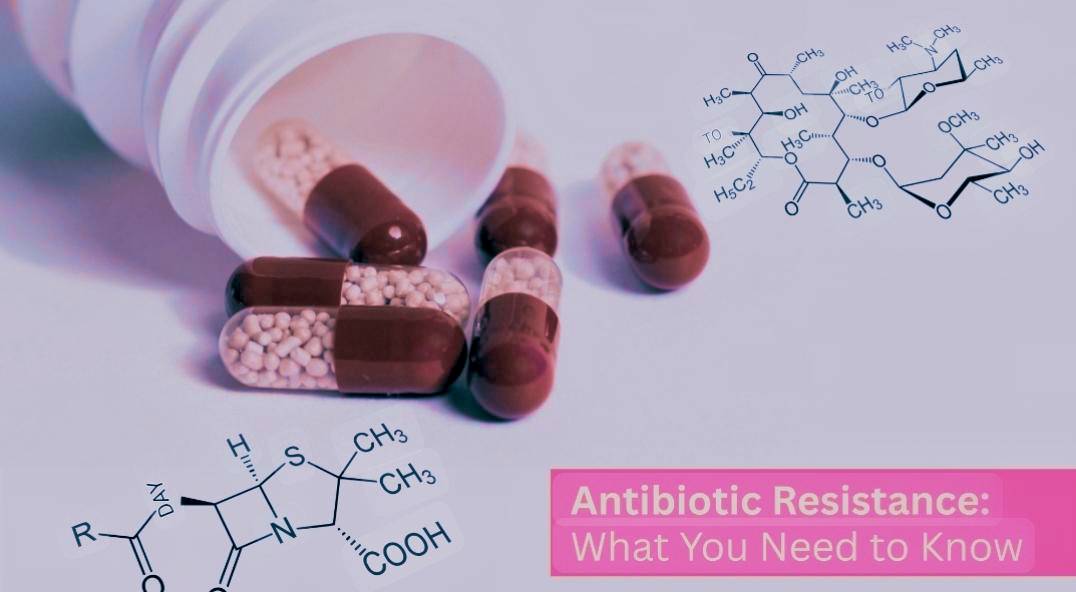
1. The Overprescription and Misuse of Antibiotics
The most significant driver of resistance is the widespread overuse and misuse of antibiotics in human medicine. The core of the problem is simple: the more we expose bacteria to antibiotics, the more opportunities we give them to develop defenses.
- Unnecessary Prescriptions: A staggering number of antibiotics are prescribed for illnesses they cannot treat, like viral infections including the common cold, flu, and most sore throats . In the U.S. alone, at least 30% of antibiotic prescriptions are deemed unnecessary, amounting to approximately 47 million unneeded prescriptions each year .
- Inappropriate Prescribing: Even when antibiotics are warranted, the choice of drug or duration of treatment can be incorrect. Studies show that treatment indication, choice of agent, or duration of therapy is inappropriate in 30% to 50% of cases . This imprecise use allows the hardiest bacteria to survive and multiply.
Every unnecessary dose is a roll of the dice, accelerating the evolutionary clock toward resistance.
2. Extensive Use in Agriculture and Livestock
Many are surprised to learn that human medicine is not the biggest consumer of antibiotics. A massive 80% of all antibiotics sold in the United States are used in animals, primarily not for treating sickness but for growth promotion and disease prevention in crowded farming operations .
This practice creates a perfect breeding ground for resistant bacteria:
- Resistant bacteria in food: Resistant bacteria developed in animals can transfer to humans through the food supply when we consume contaminated meat products .
- Environmental Contamination: Up to 90% of antibiotics given to livestock are excreted in urine and stool. This waste, used as fertilizer, contaminates soil and water, spreading antibiotic residues and resistant genes into the broader environment .
3. Poor Infection Prevention and Control
Germs, including resistant ones, spread easily. Lapses in basic hygiene in healthcare settings and our communities provide a free ride for superbugs.
Simple failures in infection control have drastic consequences:
- In Healthcare: Without strict hygiene protocols, resistant infections can spread from patient to patient in hospitals, a major problem for vulnerable individuals.
- In the Community: Inadequate handwashing and poor food safety practices allow resistant bacteria to move between people, animals, and food . The CDC emphasizes that hand hygiene is the most effective way to prevent the spread of infections .
- Global Travel: Modern travel means a resistant infection that emerges in one part of the world can be on another continent in a matter of hours. Travelers can pick up resistant germs and bring them home, facilitating global spread .
4. Natural Bacterial Evolution and Gene Transfer
It’s a common misconception that resistance is solely a human-made problem. Antibiotic resistance is a natural biological phenomenon. Bacteria have existed for billions of years and have evolved sophisticated mechanisms to survive threats.
- Mutation: A bacterium’s DNA can spontaneously change (mutate), making it less susceptible to an antibiotic.
- Horizontal Gene Transfer (HGT): This is the superhighway of resistance spread. Bacteria can share resistance genes with each other, even between different species, through mobile genetic elements like plasmids. This means resistance can jump from a harmless bacterium to a dangerous pathogen .
Human actions don’t create this process, but they apply immense pressure that accelerates it exponentially.
5. The Drying Pipeline of New Antibiotics
Even as bacteria are outsmarting our drugs, our arsenal is not being replenished. The economic model for developing new antibiotics is broken.
- Lack of Investment: Of the 18 largest pharmaceutical companies, 15 have abandoned the antibiotic field . Developing a new antibiotic is incredibly costly and scientifically challenging, but the financial returns are low compared to drugs for chronic conditions. Antibiotics are typically used for short courses, unlike medications for diseases like diabetes or high cholesterol that are taken for life.
- Regulatory Hurdles: The path to regulatory approval for new antibiotics is long and difficult. This, combined with the poor economic incentive, has led to a critical lack of new drugs in development, especially for the most resistant Gram-negative bacteria .
We are fighting 21st-century pathogens with a toolkit that is increasingly stuck in the past.
What Can We Do? Our Collective Responsibility
The solution requires a unified One Health approach that recognizes the interconnected health of people, animals, and the environment .
- As Patients: Never demand antibiotics for viral illnesses. Take prescribed antibiotics exactly as directed, and never share or use leftover pills.
- As Healthcare Providers: Commit to antimicrobial stewardship—prescribe antibiotics only when necessary and choose the right drug, dose, and duration.
- As a Society: Support policies that reduce antibiotic use in agriculture, invest in new antibiotic research, and improve global surveillance of resistance.
The silent pandemic is getting louder. By understanding its causes, we can all play a part in preserving these miracle medicines for future generations.
Disclaimer: This article is for informational purposes only and does not constitute medical advice. Always consult with a healthcare professional for diagnosis and treatment of medical conditions.