

Hair fall is a common concern affecting millions worldwide, leading to thinning hair or even baldness. Whether you’re noticing extra strands in your brush or receding hairlines, understanding the root causes and solutions can help you regain healthy hair.
We’ll cover:
✔ Common causes of hair loss
✔ Difference between normal shedding and baldness
✔ Best treatments for hair regrowth
✔ Natural remedies to reduce hair fall
✔ When to see a doctor
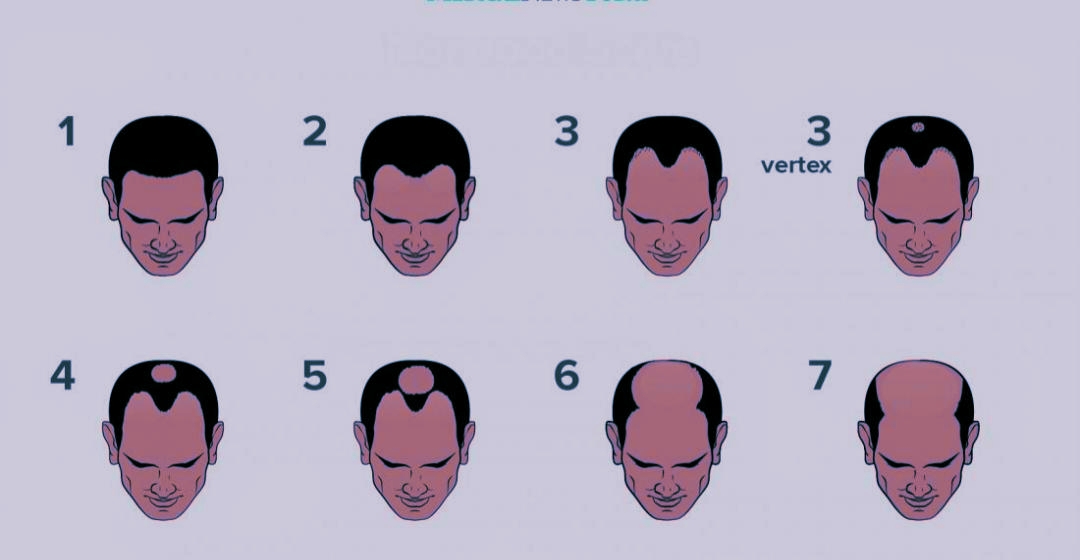
Is Hair Fall Normal?
Losing 50-100 hairs per day is normal—this is part of the natural hair growth cycle. However, excessive hair fall (more than 100-150 strands daily) or visible bald patches may indicate an underlying issue.
Hair Growth Cycle:
- Anagen (Growth Phase) – 2-7 years (active hair growth)
- Catagen (Transition Phase) – 2-3 weeks (follicle shrinks)
- Telogen (Resting Phase) – 3 months (hair falls, new hair grows)
If this cycle is disrupted, hair loss accelerates.
Common Causes of Hair Fall & Baldness
1. Genetics (Androgenetic Alopecia)
- Male & female pattern baldness (hereditary)
- Men: Receding hairline, bald spots
- Women: Thinning at the crown
2. Hormonal Imbalances
- Thyroid disorders (hypothyroidism/hyperthyroidism)
- PCOS (excess androgens cause hair thinning)
- Postpartum hair loss (after childbirth)
3. Nutritional Deficiencies
- Iron deficiency (anemia)
- Low protein intake (hair is made of keratin)
- Vitamin D, B12, zinc deficiency
4. Stress & Lifestyle Factors
- Telogen effluvium (stress pushes hair into shedding phase)
- Poor sleep & smoking (reduces blood flow to follicles)
5. Medical Conditions & Treatments
- Alopecia areata (autoimmune hair loss)
- Chemotherapy (causes temporary baldness)
6. Hair Care Mistakes
- Overuse of heat tools & harsh chemicals
- Tight hairstyles (traction alopecia)
Signs You’re Losing Too Much Hair
🔸 Clumps of hair in the shower or brush
🔸 Widening part or thinning crown
🔸 Receding hairline (in men)
🔸 Bald patches (alopecia areata)
🔸 Itchy, flaky scalp (dandruff or fungal infection)
If these symptoms persist for 3+ months, consult a dermatologist.
How to Stop Hair Fall & Promote Regrowth
1. Eat a Hair-Healthy Diet
✅ Protein-rich foods – Eggs, lentils, chicken, Greek yogurt
✅ Iron sources – Spinach, red meat, lentils
✅ Omega-3 fatty acids – Salmon, walnuts, flaxseeds
✅ Biotin & vitamins – Almonds, sweet potatoes, berries
🚫 Avoid:
- Sugar & processed foods
- Crash diets (sudden weight loss triggers hair fall)
2. Use Gentle Hair Care Products
- Sulfate-free shampoos (avoid harsh detergents)
- Minoxidil (Rogaine) – FDA-approved for hair regrowth
- Natural oils – Rosemary, coconut, castor oil (massage into scalp)
3. Reduce Stress & Improve Sleep
- Meditation & yoga (lowers cortisol)
- 7-8 hours of sleep (repairs hair follicles)
4. Try Supplements (If Deficient)
- Biotin – Strengthens hair
- Iron & Vitamin D – Boosts follicle health
- Collagen peptides – Supports keratin production
5. Medical Treatments
- PRP Therapy (Platelet-rich plasma injections)
- Hair transplant (for permanent baldness)
Natural Home Remedies for Hair Fall
- Onion Juice – High sulfur content boosts collagen.
- Aloe Vera – Soothes scalp & reduces dandruff.
- Green Tea Rinse – Antioxidants stimulate follicles.
- Egg Mask – Protein treatment for weak hair.
When to See a Doctor?
Seek medical advice if:
✔ Sudden, patchy hair loss
✔ Scalp redness, pain, or scarring
✔ Hair loss with fatigue or weight changes
Final Thoughts
Hair fall can be distressing, but most cases are treatable with the right approach. By fixing nutrient deficiencies, reducing stress, and using proven treatments, you can restore thicker, healthier hair.
Check out this video from this search, youtube hairfall solution
Have you tried any remedies for hair loss? Share your experience below!