

Introduction
Fatty liver disease is a common yet often overlooked condition where excess fat builds up in the liver. If left untreated, it can lead to serious complications like liver inflammation, scarring (cirrhosis), and even liver failure. The good news? Fatty liver is often reversible with the right lifestyle changes.
We’ll explore:
✔ What is fatty liver?
✔ Types of fatty liver disease
✔ Common causes and risk factors
✔ Symptoms to watch for
✔ Natural ways to reverse fatty liver
✔ Prevention tips
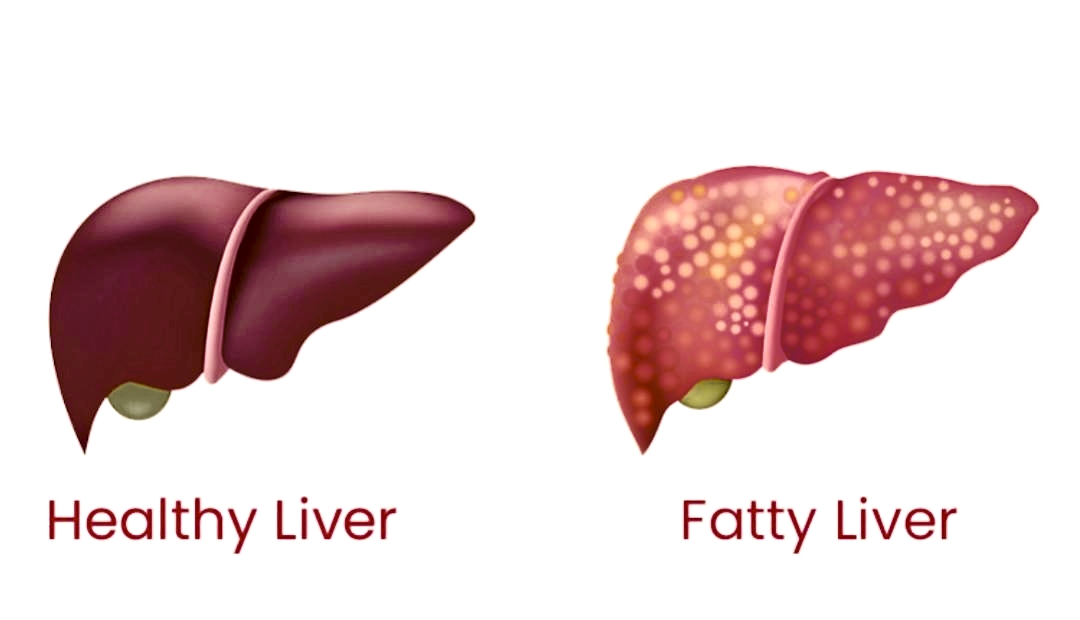
What is Fatty Liver?
Fatty liver, or hepatic steatosis, occurs when fat makes up more than 5-10% of your liver’s weight. While some fat in the liver is normal, too much can interfere with liver function.
The liver plays a crucial role in:
- Filtering toxins
- Producing bile for digestion
- Storing energy
- Processing nutrients
When fat accumulates, it can lead to inflammation and long-term damage.
Types of Fatty Liver Disease
There are two main types:
1. Non-Alcoholic Fatty Liver Disease (NAFLD)
- Not caused by alcohol
- Linked to obesity, diabetes, and poor diet
- Can progress to NASH (Non-Alcoholic Steatohepatitis), a more severe form
2. Alcoholic Fatty Liver Disease (AFLD)
- Caused by excessive alcohol consumption
- The first stage of alcohol-related liver damage
- Can lead to alcoholic hepatitis or cirrhosis
Causes and Risk Factors
Several factors contribute to fatty liver:
✔ Poor Diet
- High intake of processed foods, sugar, and trans fats
- Excessive consumption of refined carbs (white bread, pasta, pastries)
✔ Obesity & Insulin Resistance
- Excess body fat increases fat storage in the liver
- Insulin resistance (common in type 2 diabetes) worsens fat buildup
✔ Sedentary Lifestyle
- Lack of exercise slows metabolism and fat breakdown
✔ Alcohol Abuse
- Even moderate drinking can contribute to fatty liver in some people
✔ Genetics & Medical Conditions
- Family history of liver disease
- Conditions like PCOS, high cholesterol, and sleep apnea
Symptoms of Fatty Liver
Fatty liver is often a “silent” disease with no obvious symptoms in the early stages. However, some people may experience:
🔸 Fatigue & weakness
🔸 Mild abdominal discomfort (upper right side)
🔸 Unexplained weight loss or gain
🔸 Elevated liver enzymes (seen in blood tests)
In advanced stages:
🔸 Jaundice (yellowing of skin/eyes)
🔸 Swelling in legs and abdomen
🔸 Confusion or memory issues
If you notice these signs, consult a doctor immediately.
How to Reverse Fatty Liver Naturally
The best treatment for fatty liver is lifestyle changes. Here’s how to heal your liver:
1. Eat a Liver-Friendly Diet
✅ Healthy fats – Avocados, nuts, olive oil, fatty fish (omega-3s)
✅ High-fiber foods – Vegetables, whole grains, legumes
✅ Antioxidant-rich foods – Berries, green tea, turmeric
✅ Lean protein – Chicken, fish, tofu
🚫 Avoid:
- Sugary drinks & snacks
- Refined carbs (white bread, pasta)
- Fried & processed foods
- Excessive alcohol
2. Exercise Regularly
- Aim for 30 minutes of moderate exercise (walking, cycling, swimming) most days
- Strength training helps reduce fat buildup
3. Lose Weight (If Overweight)
- Even a 5-10% weight loss can significantly reduce liver fat
- Avoid crash diets—focus on slow, steady weight loss
4. Stay Hydrated
- Water helps flush toxins from the liver
- Drink at least 8 glasses daily
5. Limit Alcohol
- If you have AFLD, stop drinking completely
- For NAFLD, moderate consumption (if any)
6. Try Liver-Supporting Supplements
- Milk thistle – Supports liver detox
- Vitamin E – May reduce inflammation (consult a doctor)
- Probiotics – Improve gut health, which affects the liver
Prevention Tips
Preventing fatty liver is easier than reversing it. Follow these steps:
✔ Maintain a healthy weight
✔ Eat a balanced, whole-food diet
✔ Exercise regularly
✔ Limit alcohol
✔ Get regular health check-ups
When to See a Doctor
If you suspect fatty liver, consult a healthcare provider for:
- Blood tests (liver function tests)
- Imaging (ultrasound, FibroScan)
- Lifestyle guidance
Early detection can prevent serious complications!
Final Thoughts
Fatty liver is a growing health concern, but it’s reversible with the right approach. By improving your diet, staying active, and avoiding alcohol, you can restore liver health and boost overall well-being.
Have you dealt with fatty liver? Share your experience in the comments!