Introduction
The internet is evolving, and Web 3.0 (Web3) is leading the charge. Unlike traditional web models controlled by tech giants, Web3 networks prioritize decentralization, user ownership, and blockchain-powered security. But what exactly is Web3, and how does it work?
We’ll explore the fundamentals of Web3 networks, their benefits, challenges, and why they could redefine the future of the internet.
What is a Web3 Network?
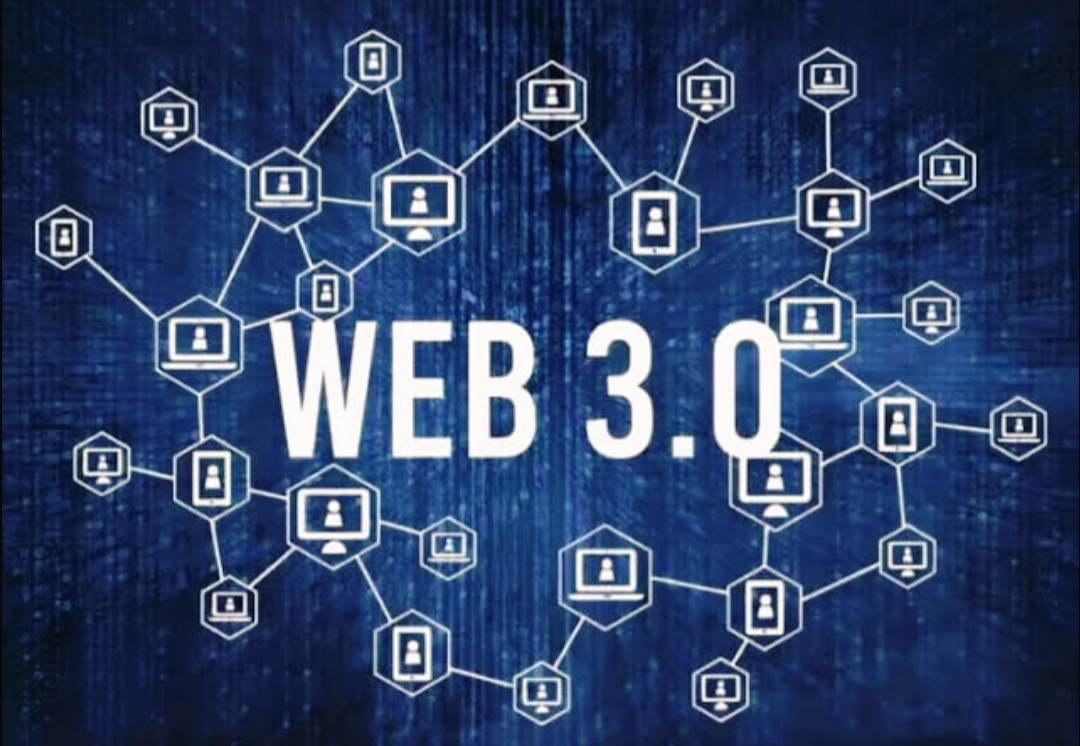
A Web3 network is a decentralized internet infrastructure built on blockchain technology. Unlike Web 2.0 (dominated by centralized platforms like Facebook and Google), Web3 gives users control over their data, digital identities, and transactions.
Key Features of Web3 Networks:
✅ Decentralization – No single entity controls the network.
✅ Blockchain-Based – Uses cryptocurrencies and smart contracts.
✅ User Ownership – Users own their data and digital assets.
✅ Interoperability – Seamless interaction between different platforms.
✅ Enhanced Security – Cryptographic encryption prevents hacks.
Popular Web3 networks include Ethereum, Polkadot, Solana, and IPFS (InterPlanetary File System).
How Does a Web3 Network Work?
Web3 networks rely on peer-to-peer (P2P) technology, eliminating intermediaries. Here’s how it functions:
- Blockchain Backbone – Transactions are recorded on a public ledger.
- Smart Contracts – Self-executing agreements automate processes.
- Decentralized Apps (DApps) – Run on blockchain instead of centralized servers.
- Tokenization – Digital assets (NFTs, cryptocurrencies) enable ownership.
- DAO Governance – Decentralized Autonomous Organizations (DAOs) let users vote on network decisions.
Example: Ethereum Web3 Network
Ethereum is a leading Web3 network supporting DeFi (Decentralized Finance), NFTs, and DApps. Users interact via MetaMask wallets, paying gas fees in ETH for transactions.
Benefits of Web3 Networks
1. True Data Ownership
No more selling personal data to advertisers. Web3 lets users own and monetize their information.
2. Censorship Resistance
Governments or corporations can’t shut down decentralized platforms.
3. Financial Inclusion
Web3 enables DeFi lending, staking, and global payments without banks.
4. Enhanced Privacy
Zero-knowledge proofs (ZKPs) and encryption protect user identities.
5. Interoperable Ecosystem
Different blockchains communicate via cross-chain bridges, improving scalability.
Challenges of Web3 Networks
Despite its potential, Web3 faces hurdles:
1. Scalability Issues
High gas fees and slow transactions (e.g., Ethereum before upgrades).
2. Regulatory Uncertainty
Governments struggle to regulate decentralized systems.
3. User Experience (UX) Complexity
Managing private keys and wallets can be confusing for beginners.
4. Security Risks
Smart contract bugs and phishing attacks remain threats.
5. Energy Consumption
Proof-of-Work (PoW) blockchains like Bitcoin consume massive energy (though PoS helps).
Future of Web3 Networks
Web3 is still in its early stages, but adoption is growing fast. Key trends include:
🔹 Enterprise Adoption – Companies like Meta and Microsoft explore Web3.
🔹 Web3 Social Media – Platforms like Lens Protocol challenge Twitter and Facebook.
🔹 Metaverse Integration – Virtual worlds (Decentraland, Sandbox) rely on Web3.
🔹 AI + Web3 – Decentralized AI models could emerge.
Conclusion
The Web3 network represents a paradigm shift toward a user-owned internet. While challenges like scalability and regulation persist, the potential for decentralization, privacy, and financial freedom makes Web3 a revolutionary force.
Are you ready for the Web3 revolution? Start exploring crypto wallets, DApps, and DAOs today!
FAQs About Web3 Networks
❓ Is Web3 the same as blockchain?
No—blockchain is the underlying tech, while Web3 is the decentralized internet built on it.
❓ How do I access Web3?
Use a Web3 browser (Brave, Opera) or a MetaMask wallet.
❓ Will Web3 replace Web2?
Not immediately, but it offers a more democratic alternative.
❓ Are Web3 networks secure?
Yes, but users must protect private keys and avoid scams.
Ready to dive into Web3? Follow us for more insights on blockchain, DeFi, and the future of the internet! 🚀